
You can't out-train a bad diet, and you can't recover from hard training on empty. Here's how to fuel the machine so every workout actually shows up in your results.
Nutrition Is Where Adaptation Happens
The workout is the stimulus. The food is the material. Tear down muscle fibers in the gym without providing the protein and energy to rebuild them, and you never get the strength, muscle, or recovery you're training for.
You don't need perfection — you need consistency across the basics. Nail protein, build your meals around real food, and hydrate. The rest is fine-tuning.
1. Protein: The Repair Crew
Protein provides the amino acids your body uses to rebuild muscle after tough sessions. It's also the most satiating macronutrient, which keeps hunger in check whether you're maintaining or cutting.
Spread it throughout the day rather than dumping it all into one meal. Your body can only use so much at once for muscle repair — frequent, moderate doses are better than one giant steak dinner.
Good sources: eggs, chicken, lean beef, fish, Greek yogurt, cottage cheese, tofu, lentils, and a quality whey protein for convenience around workouts.
2. Carbs: The Fuel Tank
Carbohydrates are not the enemy — they're the body's preferred fuel for high-intensity work. Your HIIT class, your sprint intervals, your heavy lifting all run better on a full tank of glycogen.
The trick is choosing quality carbohydrates: oats, rice, potatoes, fruit, vegetables, and whole grains. These come with fiber, vitamins, and steady energy rather than a sugar spike and crash.
On heavy training days, don't be afraid to eat more carbs. Your body actually needs them. The person who trains hard and under-feeds carbs is the person who wonders why they're always exhausted.
3. Fats: The Hormone Support
Fats get a bad reputation, but they're essential — literally. Your body uses dietary fat to produce hormones, including testosterone, and to absorb fat-soluble vitamins.
Focus on quality sources: olive oil, avocado, nuts, seeds, fatty fish, and eggs. Keep saturated fat moderate and avoid industrial trans fats completely. Your joints, hormones, and brain all run better on good fat.
4. Hydration Is a Performance Tool
Even mild dehydration measurably reduces strength, endurance, and focus. If you train hard and sweat a lot — which you will in a good HIIT class — you need more than a casual sip before you walk in.
Aim for steady water intake all day, a glass or two in the hour before training, and consistent sips through your session. On hot days or long sessions, add electrolytes to replace what you sweat out.
A simple check: if your urine is dark yellow in the late afternoon, you're behind. Pale straw is the target.
5. Around the Workout
You don't need a science-lab routine, but a little structure around training goes a long way.
- Before (1–2 hours): a light meal with easy carbs and some protein — oatmeal with fruit, a banana with yogurt, or eggs and toast.
- If training soon (<1 hour): something small and quick — a banana, a handful of pretzels, or a protein shake.
- After: protein within a couple hours, paired with carbs to refill glycogen — chicken and rice, a shake with fruit, or a solid balanced meal.
- Don't train fasted if you want output. A little fuel before hard intervals almost always improves performance.
6. Whole Foods First, Supplements Second
Supplements are the last 5%, not the foundation. No powder replaces a diet built on lean protein, vegetables, fruit, quality carbs, and good fats. Get the basics right first.
That said, a few are genuinely useful for busy people: whey protein for convenience, creatine monohydrate for strength and recovery, and vitamin D if you're low. Everything else is usually overpriced noise.
The Simple Plate Method
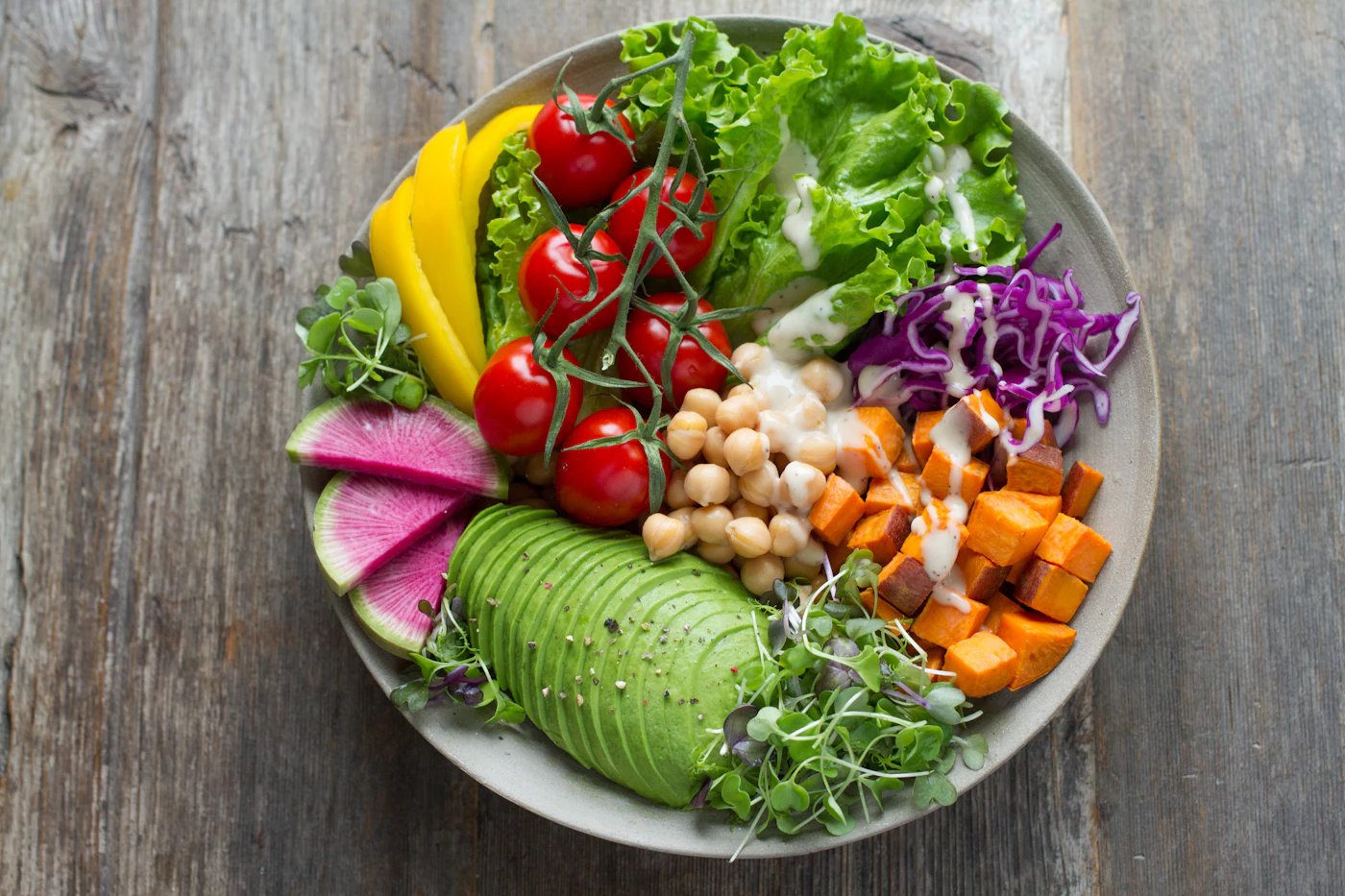
When in doubt, build a plate you could draw in crayon: fill half with vegetables or fruit, a quarter with lean protein, and a quarter with quality carbohydrates, plus a thumb of fat. Do that three or four times a day, hydrate, and you're ahead of almost everyone.
That's the whole game. It's not exciting. It works. And it's how you keep the energy to show up at Sound Check Fitness and actually attack the workout in front of you.